Mobile-First Design: Why Your Website Must Be Optimized for Smartphones

Alexander Shcheglyayev
AI Strategy + Digital Transformation Expert
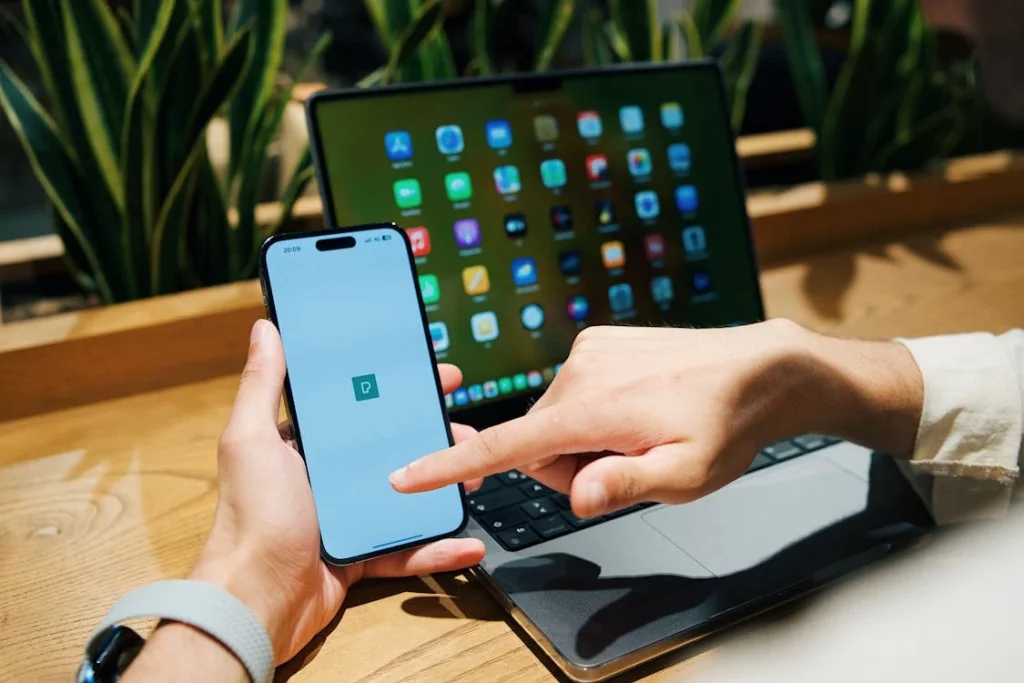
With 64% of web traffic coming from mobile devices, discover the essential strategies for creating mobile-optimized experiences that drive conversions and improve search rankings.
Smartphone usage isn't just growing—it's dominating. In 2024, 64% of global internet traffic came from mobile devices. Google now prioritizes the mobile version of a website when indexing and ranking, meaning if your website isn't mobile-optimized, you risk falling behind in search visibility—and losing customers to competitors who are.
The Rise of Mobile Users
More than half of all global web traffic now comes from smartphones. Mobile eCommerce is thriving—57% of global eCommerce sales in 2024 were completed on mobile devices, and that figure is projected to reach 59% by 2025. For small businesses, neglecting mobile optimization often results in higher bounce rates and missed sales opportunities.
Mobile-First Design Boosts SEO
Google's mobile-first indexing approach means it evaluates your mobile site before your desktop site for search rankings. If your mobile site is clunky, slow, or incomplete, your search rankings will suffer—no matter how polished your desktop version is.
Mobile-friendly sites typically:
- Load faster
- Keep users engaged longer
- Earn more backlinks from other sites
How Mobile-First Design Improves Conversions
Smartphone users expect fast, frictionless experiences. Studies show that a 1-second delay in load time can reduce conversions by 7%. Optimizing for mobile creates lower bounce rates, higher click-through rates on key buttons, and greater trust from visitors due to clean, readable layouts.
Mobile-First Design Best Practices
- Responsive Design: Layout adapts to any screen size
- Thumb-Friendly Navigation: Large, tap-friendly buttons
- Optimized Performance: Compressed images, minimized scripts, caching
- Readable Text: Minimum 16px font size for body copy
For small and medium-sized businesses, mobile-first design is no longer optional—it's a competitive necessity. It impacts SEO rankings, conversion rates, and customer trust. The companies that prioritize mobile optimization today will capture the growing mobile market tomorrow.
Read On
The Psychology of Web Design
How color, layout, and user experience psychology drive conversions.
SEO for Big Purchase Orders
Strategic SEO approaches for high-value B2B transactions.